

Loading

Technology & Engineering

Purposeful Architecture

A technology stack is only useful when it supports the product, the users, and the business behind it. We choose architecture and technologies based on the requirements of the solution and its long-term needs.
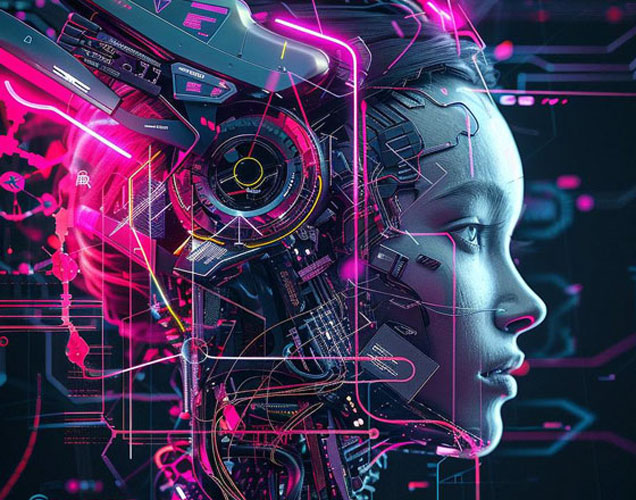
We select technologies based on business requirements, performance, maintainability, security, and long-term scalability—not simply because they are popular.

Performance, security, maintainability, scalability, user experience, and operational requirements all influence the engineering decisions we make across every stage of delivery.

Performance & Scalability
Security by Design
Clean & Maintainable Code
Modern Cloud Backbones

Engineering Stack

We work across modern software engineering technologies and platforms, selecting the right tools according to the requirements of each product or business environment.

Stack 01
Frontend Engineering

Frontend

Modern technologies for building responsive, maintainable, and interactive digital experiences.

React Next.js Angular Vue.js TypeScript
Stack 02
Backend Architecture

Backend

Backend technologies for business applications, APIs, enterprise systems, integrations, and scalable platforms.

.NET Core ASP.NET Node.js Laravel Python Java
Stack 03
Cloud Platforms

Cloud

Cloud platforms and services selected according to application requirements, deployment needs, scalability, and operational considerations.

Microsoft Azure AWS Google Cloud Cloudflare Vercel
Stack 04
Database Architecture

Databases

Data technologies chosen according to application structure, performance, consistency, scalability, and business requirements.

PostgreSQL SQL Server MongoDB Redis MySQL
Stack 05
Mobile Development

Mobile

Technology for mobile experiences that connect users with products, services, workflows, and digital platforms.

Flutter React Native Android Native iOS Native
Stack 06
AI & Automation

AI & Automation

AI and automation technologies applied where they can create practical value within applications, workflows, and business processes.

OpenAI & LLMs Machine Learning Computer Vision Workflow Automation
Stack 07
DevOps & Infrastructure

Infrastructure

Infrastructure and delivery technologies that support reliable deployment, operations, and scalable environments.

Docker Kubernetes GitHub Actions CI/CD Nginx Linux
Stack 08
Security Protocols

Security

Security practices and technologies considered throughout application architecture, development, integration, and deployment.

OAuth 2.0 JWT Auth SSL / TLS RBAC Access Encryption OWASP

Disciplined Practices

Good technology decisions balance today's requirements with tomorrow's possibilities. Our engineering approach is guided by principles that prioritize quality, reliability, security, and long-term value.

01

Performance First

We design systems with responsiveness, efficiency, and scalability in mind.

02

Security by Design

Security considerations are integrated throughout the engineering lifecycle.

03

Cloud Where Appropriate

We use cloud architecture where it provides meaningful benefits for the product and business.

04

API First

Well-designed APIs help systems integrate, evolve, and scale.

05

Accessible Experiences

Technology should be usable by as many people as possible.

06

Scalable Architecture

Architecture should support business growth without unnecessary complexity.

07

Clean, Maintainable Code

Good engineering creates software that teams can understand, maintain, and extend.

08

Continuous Delivery

A disciplined delivery process helps teams release improvements consistently.

Long-Term Stability

Architecture should support the product today while providing a clear path for future change. We consider business workflows, integrations, data, performance, security, maintainability, and scalability when designing application architecture.

01

Modular Design

Structure systems so components can evolve without unnecessary dependencies.

02

API-First Integration

Design clear interfaces that allow applications and services to communicate effectively.

03

Scalable Infrastructure

Prepare systems to handle changing usage and operational requirements.

04

Maintainability

Favor understandable architecture and engineering practices that support long-term development.

05

Security

Consider security requirements as part of architecture rather than as a final step.

06

Evolution

Design with future product requirements and business changes in mind.

Engineering Philosophy

A technology stack is not the product.

We use architecture and technology choices to support reliability, maintainability, user experience, and business growth.

Core Pragmatic Axiom

“The best technology choice is the one that fits the problem, works within the business environment, and remains practical to maintain and evolve.”

End-to-End Delivery

Building software is only one part of delivering a successful technology product. Engineering decisions influence discovery, architecture, development, testing, deployment, operations, and continuous improvement.

Product & Architecture

Translate requirements into technical direction

Application Engineering

Build reliable frontend, backend & apps

Integration & APIs

Connect systems, services & business data

Cloud & Infrastructure

Support deployment, operations & scale

Quality & Security

Validate functionality, security & speed

Continuous Improvement

Maintain, optimize & evolve post-launch

Practical AI Integration

Engineering the Technology Around AI.

AI is only one part of a production-ready solution. Applications, APIs, data, security, infrastructure, user experience, monitoring, and business workflows all need to work together.

Our broader engineering capabilities allow AI capabilities to become part of practical business applications rather than isolated experiments.

Protecting Assets

Existing applications often contain years of business knowledge, workflows, and data. Modernization should improve the technology environment without unnecessarily disrupting what already works.

01

Legacy Applications

Modernize existing systems while understanding their business role.

02

Architecture

Improve application structure, integration, and maintainability.

03

Cloud

Move suitable workloads toward modern infrastructure and deployment models.

04

Data

Improve how existing systems store, access, integrate, and use information.

05

Integration

Connect previously disconnected applications and services.

Quality Engineering

Engineering quality is not limited to whether an application works today. We consider how the system performs, how securely it operates, how easily it can be maintained, and how well it can evolve.

01

Maintainability

Clean, understandable engineering that supports future development.

02

Testing

Appropriate manual and automated testing based on the product requirements.

03

Performance

Attention to responsiveness, efficiency, and system behavior under expected workloads.

04

Security

Security considerations throughout the engineering lifecycle.

05

Accessibility

Consideration for accessible digital experiences.

06

Documentation

Clear documentation that supports collaboration, maintenance, and future development.

Pragmatic Decisions

Technology decisions should be based on the problem—not on trends.

01

Business Requirements

What does the organization actually need?

02

Product Requirements

What experience and functionality must the product provide?

03

Performance

What performance characteristics are required?

04

Security

What security and data considerations must be addressed?

05

Maintainability

Can the system be understood and evolved over time?

06

Scalability

Can the architecture support future growth?

Operational Fit

Can the organization realistically operate and maintain the solution?

Let's Build Together

Have a Technology Challenge?

Whether you're evaluating an AI opportunity, planning a new digital product or modernizing an existing platform, let's discuss the problem and the technology path forward.